Microlearning: Why 10-Minute Sessions Beat 2-Hour Study Marathons
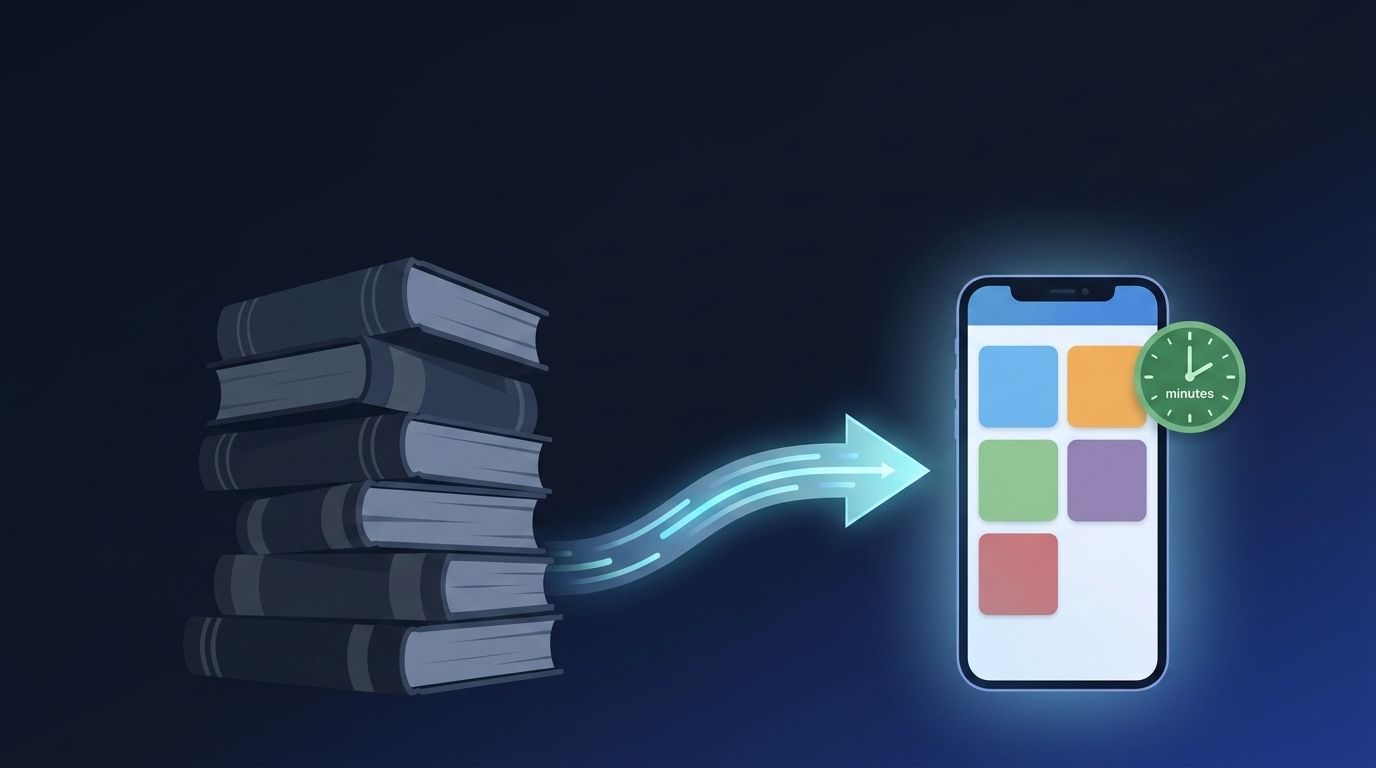
You blocked out Sunday afternoon. Three hours, a full pot of coffee, the textbook, the course videos, the works. By hour two you were re-reading the same paragraph, and by Thursday you couldn't explain what any of it said. The problem isn't your discipline. It's that marathon study sessions fight how memory actually works, and memory usually wins.
Microlearning takes the opposite bet: many small sessions, spaced out, each one short enough that your attention never breaks. It feels almost too easy. The research on spacing suggests that is exactly why it works.
What Is Microlearning?
Microlearning is a learning approach that breaks material into focused sessions of roughly 5 to 15 minutes, each built around one concept, with sessions spread across days or weeks instead of packed into a single sitting. Rather than "study biology for three hours," a microlearning plan looks like "ten minutes on cell respiration today, ten on the Krebs cycle Thursday, a five-minute review of both next week."
The format matters less than the two ingredients underneath it: small units (one idea at a time) and spacing (time between sessions). Get those right and flashcards, short videos, quiz apps, and bite-sized reading all qualify.
The Science: Why Short and Spaced Beats Long and Crammed
Three well-established findings explain why short, spaced sessions tend to outperform one long one:
- The forgetting curve. Hermann Ebbinghaus showed in 1885 that memory for new material decays steeply within hours and days. One long session gives forgetting a single large target; spaced short sessions keep interrupting the decay. We walk through the curve itself in our forgetting curve guide.
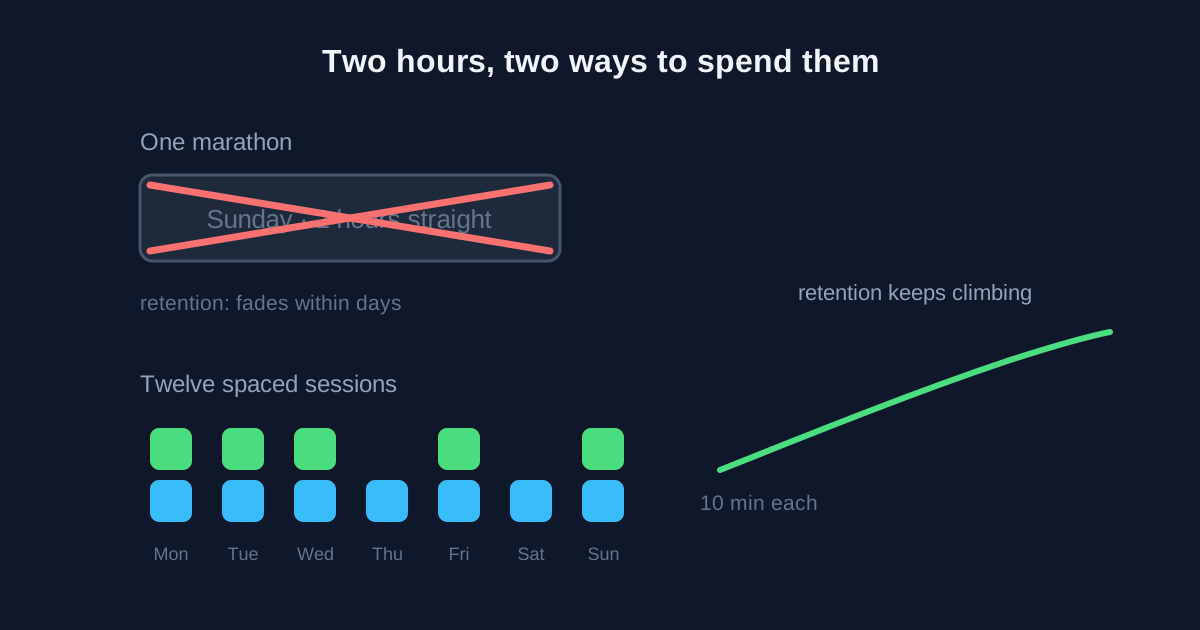
- The spacing effect. A large meta-analysis by Cepeda and colleagues (2006), covering hundreds of comparisons across more than a century of studies, found that distributing the same amount of practice across separate sessions reliably produces better long-term retention than massing it into one. Same minutes, different schedule, better memory.
- Cognitive load. John Sweller's cognitive load theory describes how working memory can only juggle a few new elements at once. A marathon session keeps adding new elements to a working memory that can only hold a few at a time. A short session on one concept stays inside the budget.
Notice what's missing from that list: willpower. Microlearning doesn't ask you to concentrate heroically. It removes the need to.
How to Structure a 10-Minute Session
A good microlearning session has a shape. Here's a four-step routine that fits in ten minutes:
- Recall first (2 minutes). Before touching new material, try to retrieve what you learned last session, from memory, without peeking. This is one of the two highest-value habits in learning; active recall is what turns exposure into memory.
- One new concept (5 minutes). Read, watch, or work through exactly one idea. Not a chapter. If it doesn't fit in five minutes, it's two sessions.
- Test yourself immediately (2 minutes). Close the material and answer two or three questions about what you just learned. Generating the answer matters; re-reading it doesn't.
- Schedule the return (1 minute). Decide when this concept comes back: tomorrow, then a few days later, then a week. Widening gaps are the engine of spaced repetition, and this step is the one most people skip, because tracking dozens of return dates by hand is a chore. It's also the step an app can do for you entirely.
Common Microlearning Mistakes
- Passive scrolling dressed up as studying. Watching a 90-second explainer feels like microlearning, but without retrieval it's just short-form content. The test step is not optional.
- Small sessions, no spacing. Ten 10-minute sessions in one evening is a marathon wearing a disguise. The gaps between sessions are where the memory consolidates.
- No thread between sessions. Random tips in random order don't accumulate. Sessions should belong to a sequence, each one starting where the recall of the last one ends. Our guide to the spaced repetition schedule shows what a well-ordered week looks like.
- Quitting before the payoff. The first week of microlearning feels unproductive precisely because each session is easy. Give it a few weeks; the payoff arrives when early material starts coming back on cue.
Microlearning vs. Cramming: When Each Wins
Honesty first: if your exam is tomorrow morning, cram. Massed practice does move short-term recall, and short-term is all you need at that point. But the overwhelming majority of studies in the spacing literature point the same direction for anything beyond a few days: the crammed material evaporates, and the spaced material stays. Cramming borrows performance from your future self. Microlearning pays it forward instead.
Frequently Asked Questions
Is microlearning effective for exam preparation?
Yes, if you start early enough. Spreading the syllabus across short daily sessions in the weeks before an exam produces more durable recall than an equivalent number of hours crammed at the end. The one scenario where it can't help is when there's no time left to space anything.
How many microlearning sessions should I do per day?
One to three focused sessions is plenty for most people. The gains come from consistency across days, not volume within a day. Three sessions back to back is really one long session, and the spacing benefit disappears.
What's the difference between microlearning and cramming?
Total time can be identical; the schedule is the difference. Cramming masses all practice into one sitting just before it's needed, which produces fast short-term recall and fast forgetting. Microlearning distributes the same practice across spaced short sessions, which builds slower but far more durable memory.
Ten Minutes, Timed Right
You don't need more hours. You need the hours you already spend to land at the right moments, in the right size, with recall built in. That's a scheduling problem, and scheduling problems are what software is for.
Mind Tiles turns any topic, or your own notes, into 10 to 15 minute personalized modules with the quizzes and spaced reviews built in, so the four-step routine above happens by default every time you open the app. Start your 7-day free trial, no credit card required, and give the next two weeks ten minutes a day instead of one lost Sunday.